
Reading the Room: How Emotional Intelligence Can Transform Communication in Pathology
By - April 15, 2026
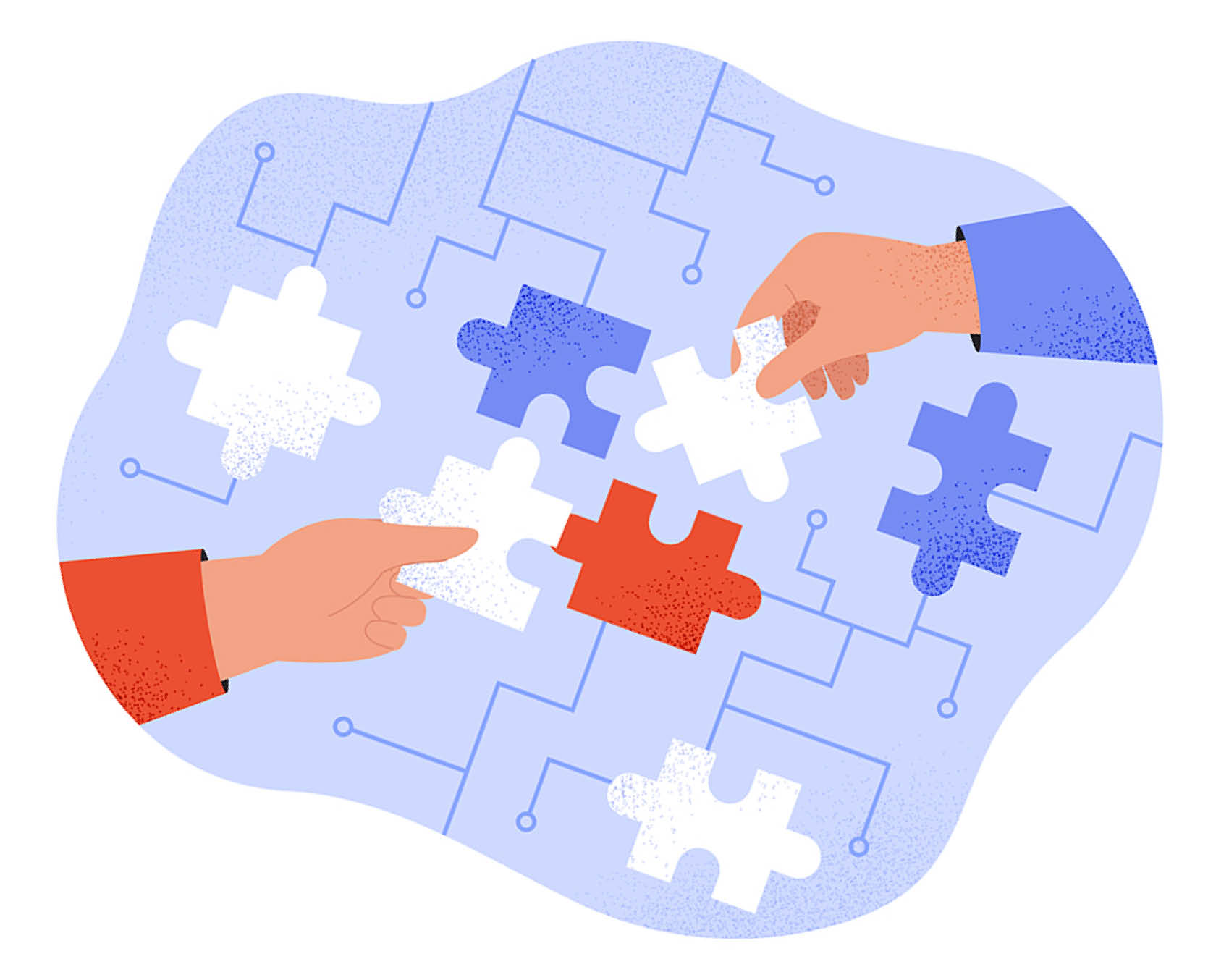
Pathologists are trained to be precise, analytical, and data-driven, qualities that make them exceptional diagnosticians. But those same traits can sometimes make navigating the interpersonal dynamics of a busy department feel like uncharted territory. Matko Mosunjac, LMSW, a therapist who grew up with two pathologist parents, has a mission to bridge that gap, and bring emotional intelligence (EQ) training directly to pathology teams.
After delivering a well-received presentation to the Pathology Department at Emory University, Mr. Mosunjac sat down with Critical Values to share why EQ matters more than ever in the high-pressure world of pathology.
What EQ actually is
One of the first things Mr. Mosunjac addresses is a common misconception about emotional intelligence: that it belongs to extroverts.
Instead, he offers a reframe: EQ is simply another form of data analysis, applied to human behavior. The four core components are:
Self-awareness
Self-management
Social awareness
Relationship management
And all four are learnable skills.
He also developed three real-world scenarios where EQ can be leveraged, drawn directly from pathology workflows that a pathologist audience can immediately recognize:
The Overwhelmed Resident: A resident, already buried in work, is assigned three large total colectomy cases. The resident feels used for service labor rather than educated.
Frozen Section Friction: An attending or Pathologist’s Assistant abruptly takes over a frozen section from a struggling PGY-3 resident without a word. The resident feels undermined.
Sign-Out Power Dynamic: An attending publicly corrects a fellow’s diagnosis with a sharp tone in front of junior residents. The fellow shuts down.
These scenarios resonated immediately. As Mr. Mosunjac notes, pathology departments carry structural challenges that make communication harder: workforce shortrages, extreme workloads, long hours, and a heavily subspecialized environment where team members may barely interact across divisions.
Practical tools you can use today
Mr. Mosunjac’s approach to increasing EQ is deliberately practical. Rather than abstract theory, he teaches concrete techniques:
Use “I statements” instead of “you” language when giving feedback. “I feel like we could improve here” lands very differently than “You didn’t do this right.”
Pause before responding. Box breathing and the 5-4-3-2-1 grounding method (five things you can see, four you can touch, and so on) help interrupt the reactive limbic system response.
Acknowledge feelings before problem-solving. Jumping straight to solutions can trigger defensiveness. A brief acknowledgment — “I know this is a difficult case and you’re stretched thin” — makes the information that follows far more receivable.
Practice active listening by paraphrasing back. This signals you’re genuinely tracking what’s being said. It’s a simple but often skipped step.
Check the tone of emails before sending. Digital communication strips out inflection and context. A pause before hitting send can prevent unnecessary friction.
When we take another look at the three scenarios above, we can see how the tools can be deployed:
The Overwhelmed Resident: The EQ focus: empathy from the resident’s leader, assertiveness without hostility from the resident.
Frozen Section Friction: The EQ focus: self-regulation and social awareness.
Sign-Out Power Dynamic: The EQ focus: empathic validation and using “I statements” to rebuild trust.
A note for leaders: Ask for feedback
For those in leadership roles Mr. Mosunjac offers a challenge that can feel counterintuitive: occasionally ask the people you supervise how you come across.
“We all have blind spots. Asking for input on your interaction style can feel hard when you’re in a leadership position — but in some kind of way, it does build trust and respect.” —Matko Mosunjac
He also emphasizes explaining the “why” behind decisions, even when the answer isn’t popular. Transparency, he argues, makes information more digestible and reduces the rumor and resentment that flourish in its absence.
Mr. Mosunjac notes that in the book Sapiens, author Yuval Noah Harari identifies language as one of humanity's defining cognitive revolutions. It is a tool that has allowed us to collaborate, invent belief systems, and articulate our innermost feelings.
Yet we still may struggle to identify the true forces driving our decisions, conscious and unconscious alike. Emotion words are often just the surface; the real work lies in uncovering what sits beneath them. This gap, he says, between what we feel and what we can honestly express, is as old as humanity itself. And closing it remains one of our most persistent challenges, whether in the workplace or in life.
Better communication means better workflows
Mr. Mosunjac is quick to acknowledge the goal isn’t emotional hyperawareness. Rather, it’s functional, effective communication that serves the work.
Emotional intelligence, in other words, isn’t soft. In a field where precision, collaboration, and high-stakes decisions are daily realities, it may be one of the most practical skills a pathologist can develop.

Molly Strzelecki
ASCP Director of Communications + Editor of Critical Values