
How International Mentorship Can Elevate the Next Generation of Pathologists and Laboratory Professionals
By - July 21, 2026

Mentorships are often critical to a pathologist's or laboratory professional’s future success, helping improve their technical competency, accreditation readiness, and journal publication skills. But not all countries have access to the same resources. What can be done for pathologists who don’t have a strong mentorship program in their country?
Michal Ordak, PhD, research team leader at the Medical University of Bialystok, and Nesrin Nigussie, a mentee from Ethiopia in the American Society for Clinical Pathology (ASCP) Mentorship Program, recently authored an article for Laboratory Medicine about why mentorships in low- to middle-income countries are so vital for the future of the field. They shared their insights with Critical Values.
Young professionals in lower-income countries have enormous, unrealized potential
Dr. Ordak says the article was inspired by his experience with the ASCP Mentorship Program, where he collaborated with mentees in countries like Ethiopia and Nigeria.
“Working with them showed me that mentorship is not simply about teaching. It is about collaboration, mutual learning, and helping talented individuals gain the visibility they truly deserve,” he says. “I realized that many young researchers from low- and middle-income countries, particularly from African countries, have enormous scientific potential, motivation, and curiosity, but their work often remains invisible internationally.”
The issue isn’t lack of ideas or research, but limited access to guidance on proper methodologies, statistics, and scientific publishing, he explains.
“I wanted to highlight through the article that mentorship can become a very practical bridge between hidden potential and global scientific visibility,” Dr. Ordak says.
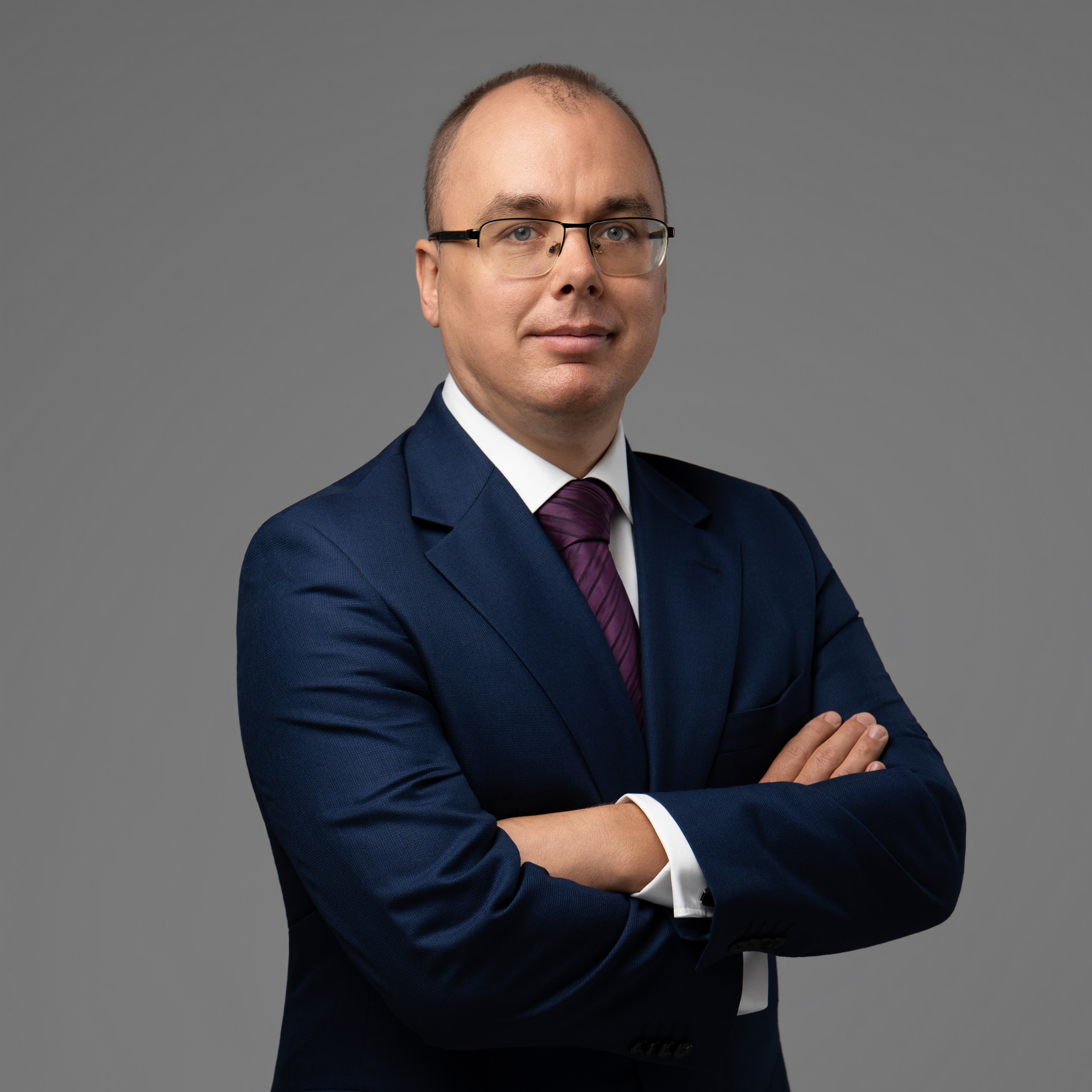
DR. ORDAK
Many mentees haven’t been taught proper methodologies for publishing
Often, young professionals in lower income countries have limited international visibility because they don’t know the rigors of data analysis required to be published in scientific journals.
“Even very valuable research can be rejected or overlooked if the methodology or presentation of results is unclear,” Dr. Ordak says. “They may have strong scientific ideas and important clinical observations, but limited access to methodological support and publication experience.”
This lack of knowledge can be a huge hindrance to discovery.
“Publishing in internationally recognized journals allows their findings to become part of the global scientific discussion and increases the visibility of health problems and clinical realities that are often underrepresented,” he says.
In addition, being published can help an individual build confidence along with their scientific career.
“In the long term, mentorship in these areas is not only about publishing articles, but about helping talented individuals become active contributors to global science,” he says.
How international mentorship differs from traditional mentoring
In pathology and laboratory medicine, international mentorship can ultimately feel more collaborative than traditional mentoring.
“It frequently includes support in research methodology, data analysis, scientific writing, and navigating the international publication process,” he says. “In many cases, the relationship is less hierarchical and more collaborative, especially when working together on scientific projects and publications.”
He finds global mentoring to be particularly rewarding because “mentors gain valuable insight into clinical realities and laboratory challenges in different parts of the world.”
In addition, being a global mentor focuses more on online communication rather than in-person discussions.
“In my own experience, most mentoring interactions take place through email communication, discussions about research projects, data analysis, manuscript preparation, and sometimes through online meetings,” he says.
Ultimately, a good global mentoring relationship is about the quality of your time rather than the quantity.
“Sometimes even relatively short but regular support can have a major impact on a young researcher’s confidence and scientific growth,” Dr. Ordak says.
Plans for the future
One of the biggest barriers to expanding international mentorship opportunities is unequal access to scientific resources, Dr. Ordak explains. In addition, mentees often don’t have structured institutional support for their endeavors, so differences in infrastructure and time zones can make long-term collaboration more difficult.
“These barriers could be reduced through stronger institutional mentoring programs, increased support from scientific societies and journals, and greater investment in international research partnerships,” he says.
Personally, Dr. Ordak plans to make a trip to Ethiopia next year to meet some of his mentees in person.
“In the following years I would like to develop with them a broader Africa-wide mentoring and scientific initiative in pathology and laboratory medicine,” he says. “Many of them are planning doctoral level scientific careers, and one of my goals is that in the future they will themselves become mentors for the next generation of young scientists.”
Global mentorships can spark hope
Ms. Nigussie is one of Dr. Ordak’s mentees and the co-author of their Laboratory Medicine paper. Her story illustrates the impact that international mentoring can have on a young professional’s future.
She shares that when she was only 13, her parents separated and she became responsible for raising her younger siblings.
“I started working any job I could find, while continuing my education,” she writes. “I never stopped. My passion for science, for laboratories, for research was undying.”
After graduating with a degree in laboratory medicine, she had to ask others to help her pay for her ASCP certification. And while still working full time, she completed her entire ASCP preparation in four months.
“I did it because my love for scientific discovery would not let me give up,” she says. “Now, I have a published article. I have a mentor who believes in me. And I have hope. My story is not just mine, it belongs to every young person in Africa who dreams of a career in science but has every reason to quit. I want them to know: it is possible.”
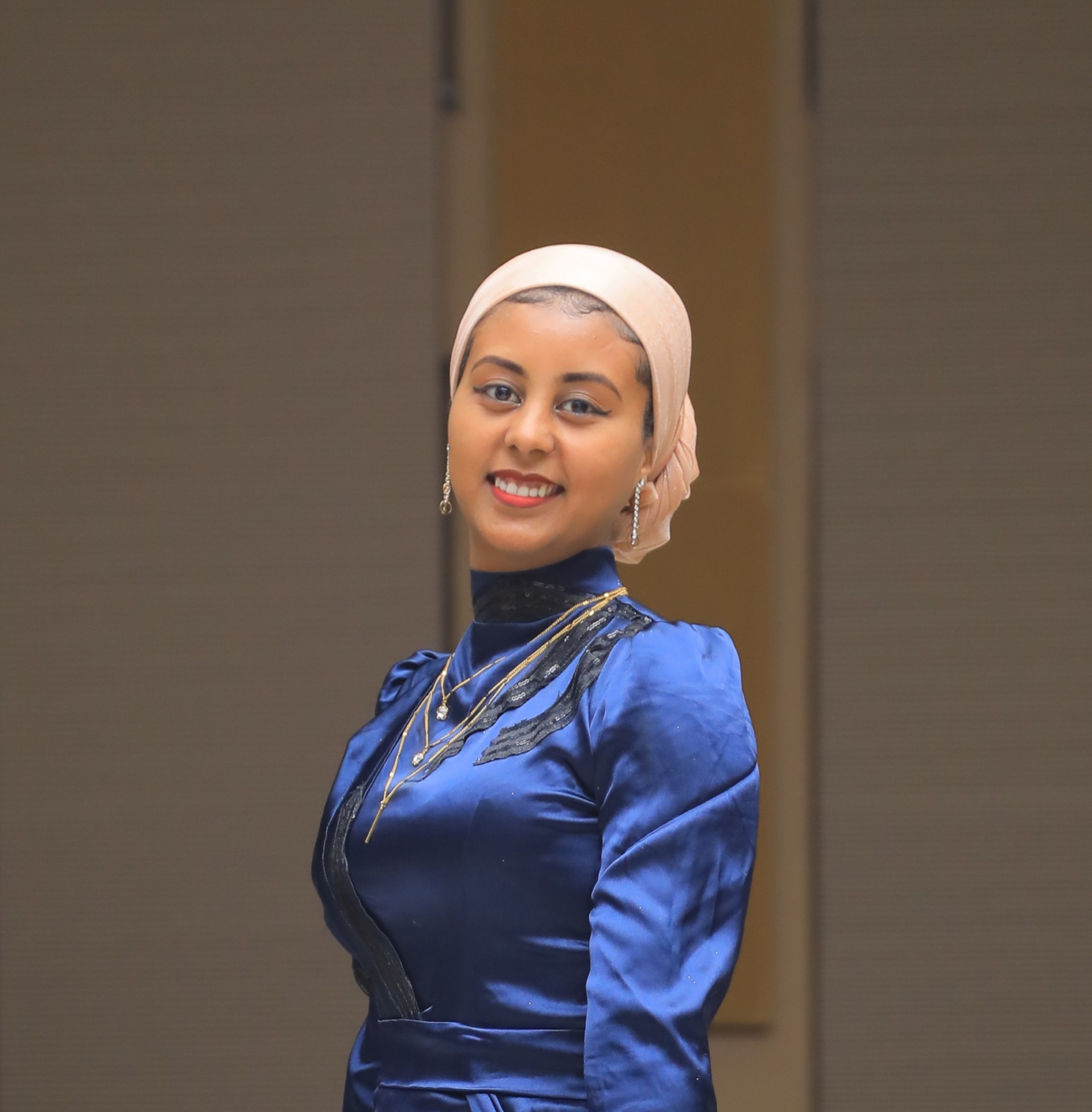
Ms. Nigussie
How you can become a mentor
If you’re interested in becoming an international mentor, Dr. Ordak says the first step is to simply share your knowledge and experience with others in small ways.
“Many international mentorship opportunities begin through professional societies, scientific networks, collaborative research projects, or formal mentoring programs such as the ASCP Mentorship Program,” he says. “It is important to remember that global mentorship does not require perfection or unlimited time, but rather consistency, genuine engagement, and a willingness to support the development of others.”
Knowing what a difference you can make in someone else’s life can be a huge motivating factor.
“Mentorship is not only about science, publications, or career development, but also about helping people believe that their work and potential truly matter,” he says.
