
3 Questions With Hebatullah Elsafy, MD, MSc
By - November 04, 2026
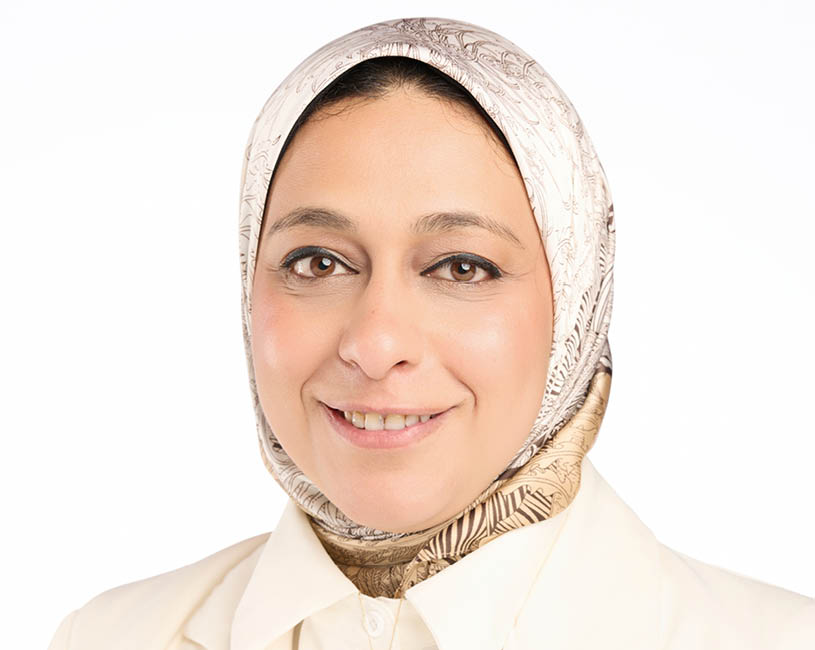
Hebatullah Elsafy, MD, MSc, an ASCP Mentor and Ambassador, created Papyrus Path Academy, a case-based learning community that brings together pathology trainees from different countries and training systems to learn from one another.
Here, Dr. Elsafy talks with Critical Values, sharing the impact of mentorship on her career, her connections to patient care, and what calls someone to leadership, “One of the biggest lessons I've learned is that leadership doesn't always start with a title or even with the intention of becoming a leader. Sometimes it starts by recognizing a need and being willing to do something about it. I've learned to listen more, make room for different perspectives, and recognize that some of the most meaningful things we build are things we build together.”
What initially drew you to pathology?
I didn't have a single “aha” moment when I knew pathology was right for me. It was something that evolved over time. At first, I was drawn in by curiosity. I wanted to understand the why behind disease, not just recognize it. The more I learned and looked through the microscope, the more I realized there was always another question to ask and something new to understand.
My journey in pathology began in Egypt and later continued in the United States. Training in two different health systems broadened my perspective and introduced me to different approaches, technologies, and areas of the field. It also reinforced something I have come to love about pathology: there is always more to discover. Whether it is a challenging case I haven't encountered before or a new development that changes the way we understand disease, the field continues to surprise me.
What remains constant is the connection to the patient. In pathology, the patient may not be sitting in front of you, but you encounter them through their blood, tissue, cells, and clinical story. A diagnosis that may take only a few lines on a pathology report can represent an enormous turning point in someone's life. What began as intellectual curiosity gradually became a sense of purpose. The fascination that brought me to pathology has never gone away; it has simply evolved along with me.
Can you share a moment when you felt especially connected to patient care?
One experience that has stayed with me happened early in my residency training in Egypt. I was involved in the care of a young woman in her twenties with acute leukemia. She was at a point in her life when she had so many plans for the future, and suddenly all of that had become uncertain. I was still very junior at the time, but she asked me to perform her bone marrow procedures because she felt comfortable with me and trusted me. I remember how much that trust meant to me, particularly so early in my training.
Unfortunately, I couldn't change her outcome, but caring for her changed something in me. She taught me very early in my career that being entrusted with even one part of someone's care carries a responsibility that goes far beyond performing a procedure or reaching a diagnosis. I encounter patients more often through a microscope than at the bedside, but I don't feel that the connection has disappeared. Our diagnoses can shape some of the most consequential decisions in a patient's care, and remembering the person behind the specimen gives both meaning and responsibility to the work we do.
Have you had any mentors or role models who influenced your career choice? How have they impacted your journey?
One mentor, in particular, introduced me to the world of research. He gave me opportunities to become involved in projects, encouraged me to ask questions beyond the individual case, and helped me understand how an observation in daily practice could develop into a meaningful research question. Research has since become an important part of my career, and I am very grateful that someone opened that for me early in my training.
My residency program director has been a wonderful example of that. She is incredibly approachable and welcoming with trainees, and she has created an environment where we feel comfortable coming to her, not only when we are excited about a new opportunity, but also when we are facing a challenge or simply need guidance.
Over time, I have come to realize that the mentors who stay with you are often the ones who are genuinely invested in your growth. I found myself wanting to offer others the same kind of support and encouragement that had been so meaningful to me. That was one of the reasons I became involved in volunteer roles with ASCP, particularly as an ASCP Mentor and Ambassador. To me, mentorship is not only about giving someone the answers; it is about giving them the confidence and support to find their own way.

Team Critical Values
Team Critical Values