
3 Questions With Yvette S. McCarter, PhD, D(ABMM)
By - August 13, 2026
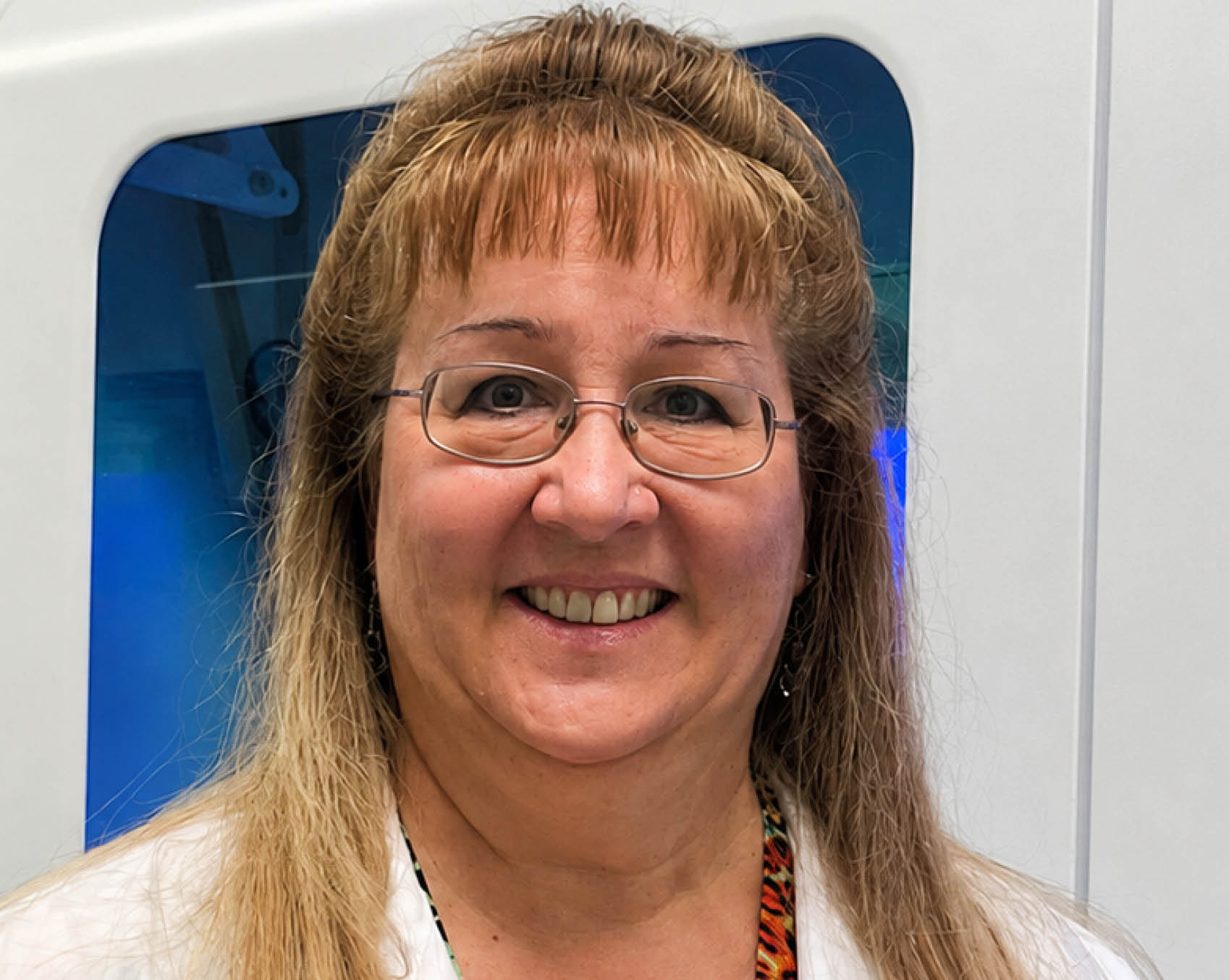
Yvette S. McCarter, PhD, D(ABMM), serves as a clinical microbiology laboratory director, is a former member of the Board of Certification Committee, has co-presented numerous workshops via ASCP’s LabQ and is the current microbiology editor for Laboratory Medicine journal.
Her pathway to laboratory leadership was sparked by a mentor. While pursuing her master’s degree, Dr. McCarter intended to reapply to medical school. Her mentor, who served in the role she has today—director of the clinical microbiology laboratory—changed her career trajectory. Dr. McCarter, following his advice, started taking more clinically-oriented classes, explored clinically-oriented research, and accepted an opportunity to work part-time as a technologist in the clinical microbiology laboratory. As Dr. McCarter shared, ‘After that, I was hooked.’ She remained in graduate school and then joined the doctoral program. After receiving her doctorate, she went on to complete a fellowship in Medical and Public Health Microbiology.
Here, Dr. McCarter talks about the revolutionary impact that 30+ years of technology and innovation in clinical microbiology laboratories have had on patient care, how to frame feedback as a gift, and the importance of getting out of your comfort zone.
How do advancements in laboratory medicine inspire you in terms of improving patient care?
Throughout my 30+ year career in the clinical laboratory, I have seen the clinical microbiology laboratory evolve. The clinical microbiology laboratory of the past generated results in days using conventional culture and antimicrobial susceptibility techniques, agar plates, and single-tubed biochemicals to identify bacteria and conventional cell culture to grow viruses. Due to the time required to perform testing, results were often not available in a timeframe that was helpful to immediate clinical decision making.
Through creativity and innovation, today’s clinical microbiology laboratory is radically different than just 30 years ago. Many of the tests now measure turnaround time in minutes to hours. Organism identification using matrix-assisted laser desorption ionization time of flight (MALDI-TOF) mass spectrometry has revolutionized the ability of the clinical microbiology laboratory to identify organisms more accurately and more rapidly. The evolution of molecular techniques has truly revolutionized the diagnosis of infectious diseases and changed the clinical microbiology paradigm from conventional laboratory methods that rely on phenotypic expression of antigens or biochemical products, to molecular methods for the rapid identification of infectious agents. This has resulted in the ability not only to diagnose infections more rapidly but also to detect previously undetectable and fastidious organisms in real time. Ultimately, this means we now have the ability to accurately diagnose infections in a timeframe that can affect patient care decisions and ultimately lead to better patient care.
What are some of the lessons you've learned through the different leadership or volunteer roles you’ve taken on, in or out of ASCP?
There are so many valuable lessons I have learned from participating in volunteer activities with ASCP and other organizations. First would have to be the importance of teamwork in accomplishing a goal. We are all used to working as a team in the clinical laboratory, but teamwork within a larger organization takes on new meaning. Many volunteer activities require each person to accomplish goals and meet deadlines to keep the team moving forward. This has made me realize the importance of following through on things you say you will do. I’ve also learned to view constructive feedback as a gift. People who care enough to give you honest feedback only want you to improve. Volunteer opportunities have also taught me the importance of getting out of your comfort zone. Sometimes we remain fixed with what we know and what is comfortable. Volunteer opportunities often require us to stretch and find talents we didn’t know we had and to use them. Lastly, the volunteer opportunities have made me realize that the success of others can be a source of inspiration to continue to learn and grow.
What are some of the biggest challenges you face in your field, particularly when it comes to supporting patient care?
I think the biggest challenge we face in the clinical laboratory is the workforce shortage. We all know the role of the clinical laboratory in the healthcare team and in patient care. However, the general public is relatively unaware of our profession, and no one knows what we do in the clinical laboratory. When most students think of medicine, they think doctors, nurses, and pharmacists. If we want to ensure a workforce to support optimum patient care in the future, we need to improve the visibility of our profession today, not only to high school and college students, but also among younger students. In the laboratory we must also continue to promote lifelong learning and encourage professional development in current team members. We must also provide opportunities for progression of responsibilities and expand staff mentoring to increase job satisfaction and ensure that we retain the excellent laboratorians we already have.

Team Critical Values
Team Critical Values